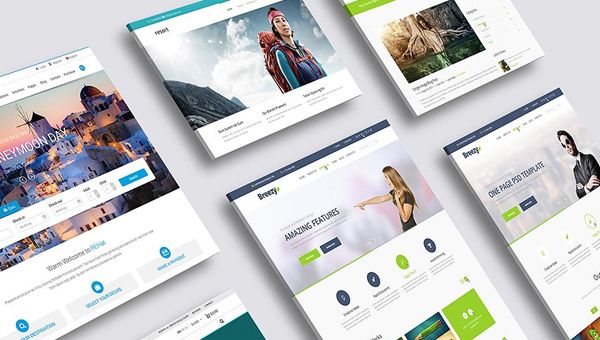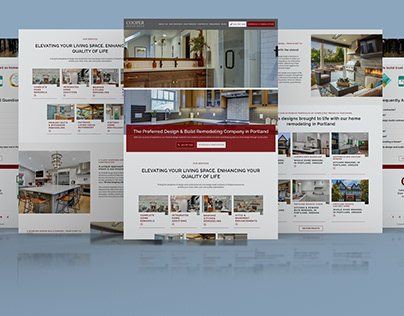


In 2026, having a website is no longer a luxury or a “nice-to-have” feature for businesses. It is a basic requirement for survival, growth, and credibility. Whether you run a small local business, a startup, a school, a real estate agency, or a growing enterprise, your website is the foundation of your digital presence.
Consumer behavior has changed permanently. People no longer rely on word of mouth alone. Before making a purchase, booking a service, or contacting a company, the first thing they do is search online. If your business does not appear — or appears unprofessional — you instantly lose trust, leads, and revenue.
This article explains why a website is non-negotiable in 2026, how it impacts your credibility, sales, marketing, and growth, and why businesses without websites are being left behind.
1. Your Website Is Your 24/7 Virtual Office
Your physical office has opening and closing hours. Your website does not.
In 2026, customers expect access to information anytime, whether it’s early morning, late night, weekends, or holidays. A website allows potential clients to:
-
Learn about your services
-
View products
-
Read FAQs
-
Submit inquiries
-
Book appointments
-
Request quotations
All without needing to call you or wait for office hours.
This means your business is working for you even when you are asleep. Every visitor is a potential lead, and every inquiry is an opportunity. Businesses without websites simply miss out on this constant flow of opportunities.
2. First Impressions Are Now Made Online
In the digital age, your website is often the first interaction a customer has with your business.
In 2026, customers judge businesses quickly. A slow, outdated, or non-existent website sends a clear message:
-
The business may not be serious
-
The business may not be trustworthy
-
The business may be outdated or inactive
On the other hand, a clean, fast, and professional website instantly communicates:
-
Credibility
-
Professionalism
-
Stability
-
Trust
Even if your services are excellent, a poor online presence can push customers to competitors who simply look more professional online.
3. Customers “Google” Before They Trust
Modern customers do not trust claims — they verify them.
Before contacting you, they will:
-
Search your business name
-
Look for your website
-
Check your services
-
Read your content
-
Evaluate your professionalism
If your business has no website, customers often assume:
-
The business is too small
-
The business is temporary
-
The business is not established
-
The business may be risky
In 2026, not having a website raises red flags, especially for businesses that want to attract serious clients, institutions, or corporate customers.
4. A Website Makes You Discoverable Through Search Engines
Search engines are the biggest source of new customers today.
When people search for services like:
-
“website designer near me”
-
“real estate agents in Nairobi”
-
“school website developers”
-
“SEO services for businesses”
They are actively looking to buy or engage.
With proper Search Engine Optimization (SEO), your website allows your business to:
-
Appear in search results
-
Attract organic traffic
-
Generate consistent leads
-
Reduce dependence on paid ads
In 2026, businesses that rank on Google gain a massive competitive advantage over those that rely only on social media or referrals.
5. Social Media Alone Is Not Enough
Many businesses believe social media pages can replace a website. This is a costly mistake.
Social media platforms:
-
Control your reach
-
Change algorithms frequently
-
Can suspend or restrict accounts without warning
-
Do not belong to you
A website, on the other hand:
-
Is fully owned by your business
-
Gives you complete control
-
Serves as a permanent digital asset
-
Integrates with all marketing channels
In 2026, the smartest businesses use social media to drive traffic to their website, not replace it.
6. A Website Helps You Convert Visitors Into Customers
A well-designed website is not just informative — it is strategic.
With the right structure, your website can:
-
Guide visitors through your services
-
Answer objections before they arise
-
Showcase testimonials and case studies
-
Highlight your unique selling points
-
Push visitors toward action
Actions such as:
-
Calling your business
-
Filling out a contact form
-
Booking a service
-
Making a purchase
This turns your website into a sales machine, not just an online brochure.
7. Data-Driven Decisions Through Website Analytics
Traditional marketing makes it difficult to measure results. Websites do the opposite.
In 2026, websites provide powerful insights such as:
-
Number of visitors
-
Visitor locations
-
Devices used
-
Pages visited
-
Time spent on site
-
Conversion rates
This data allows you to:
-
Understand your audience
-
Improve marketing strategies
-
Optimize user experience
-
Increase conversions
-
Make smarter business decisions
Businesses without websites operate blindly. Businesses with websites operate strategically.
8. Websites Level the Playing Field
One of the biggest advantages of a website is that it allows small businesses to compete with large corporations.
A professionally designed website can make a startup:
-
Look established
-
Appear reliable
-
Compete for high-value clients
-
Build authority in its niche
In 2026, customers care more about presentation, trust, and value than company size. A strong website bridges that gap instantly.
9. Your Website Supports All Digital Marketing Efforts
Every digital marketing strategy works better with a website.
Your website acts as the central hub for:
-
SEO campaigns
-
Google Ads
-
Facebook and Instagram Ads
-
Email marketing
-
Content marketing
-
WhatsApp marketing
Without a website, marketing efforts are scattered and less effective. With a website, everything connects, tracks, and converts efficiently.
10. Your Website Is a Long-Term Business Asset
Unlike ads that stop working once you stop paying, a website:
-
Grows in value over time
-
Builds authority through content
-
Accumulates search engine rankings
-
Continues generating leads
In 2026, businesses that invest in websites early enjoy compounding returns year after year.
Your website is not an expense — it is an investment.
11. Security, Compliance, and Professional Standards
Modern websites in 2026:
-
Use SSL security
-
Protect customer data
-
Meet professional standards
-
Support mobile and tablet devices
Customers are more aware of online safety. A secure website builds confidence and reduces hesitation when sharing information or making inquiries.
12. Your Website Defines Your Brand Identity
Your website is where your brand lives.
It communicates:
-
Your values
-
Your professionalism
-
Your tone
-
Your uniqueness
From colors and typography to messaging and layout, your website shapes how people perceive and remember your business.
Conclusion: Your Website Is Your Greatest Asset
In 2026, your website is no longer optional.
It is your:
-
Virtual office
-
Sales representative
-
Marketing engine
-
Brand ambassador
-
Data and insight center
Your website works for you when you can’t.
Businesses that embrace this reality will grow, scale, and dominate their markets. Those that ignore it will struggle to stay relevant.
Build a High-Performance Website With Afix Smart Web
At Afix Smart Web, we specialize in:
-
Professional website design
-
SEO optimization
-
High-performance websites
-
Digital strategies that turn clicks into customers
If you’re ready to elevate your digital presence and future-proof your business, now is the time.