Web Design & Development
Custom, responsive and SEO-ready websites designed to strengthen your brand, engage visitors and generate more enquiries.
- Business website design
- Responsive website development
- SEO-ready website structure

+254 714730427
Afix Smart Web provides professional web design services in Nairobi, helping businesses across Kenya build high-performing websites, improve Google rankings and AI search visibility, attract qualified leads and grow online. Our solutions include e-commerce development, SEO, GEO, digital advertising and custom software.
Helping businesses in Nairobi, Mombasa, Kisumu, Nakuru, Eldoret, Thika, across Kenya and beyond to establish a stronger online presence.









Afix Smart Web is a digital agency based in Nairobi, Kenya, helping businesses build a stronger online presence through professional website design, SEO, GEO and AI search visibility, and digital marketing.
We also develop e-commerce websites, custom web applications and WordPress plugins, alongside Branding and website support. Our focus is on practical digital solutions that help businesses attract customers, improve efficiency and grow across Kenya.

Websites, search visibility, software and marketing solutions built around your business goals.
Professional web design, SEO and digital marketing services helping businesses across Nairobi and Kenya increase visibility, attract qualified leads and achieve sustainable growth.
Custom, responsive and SEO-ready websites designed to strengthen your brand, engage visitors and generate more enquiries.
Professional online stores designed to showcase products, simplify shopping and help businesses sell online across Kenya.
Improve your business visibility across Google Search, Google Maps and AI-powered search platforms through strategic SEO, GEO and AI search optimization.
Reach the right audience with targeted digital marketing campaigns that build brand awareness, attract qualified leads and support business growth.
Custom web applications and software solutions designed to automate business processes, improve efficiency and support your operations.
Extend your WordPress website with custom plugins, advanced functionality and tailored solutions built around your business requirements.
Keep your website secure, updated and performing at its best with reliable maintenance and redesign services.
Build a stronger brand identity through professional visual designs that communicate credibility and consistency.
Improve your local visibility and help nearby customers discover, contact and trust your business more easily.
Tell us about your goals and we will recommend the right website, SEO or digital marketing strategy for your business.
Compare package starting prices, explore your options and view the full features before choosing a service.
Professional websites for individuals, startups, growing businesses and organisations.
Need a tailored solution? Final pricing depends on your project requirements and scope. Advertising management fees exclude your ad spend.
Request a Custom QuoteWe design high-performing websites, implement SEO strategies, and deliver Digital Marketing solutions tailored to businesses across a wide range of industries in Nairobi and throughout Kenya.
Online stores, product catalogues, payment integrations and conversion-focused e-commerce websites designed to increase sales.
Professional company websites and digital solutions that strengthen credibility, generate enquiries and support business growth.
School websites, university platforms, online courses and learning portals built for students, parents and institutions.
Modern websites for hospitals, clinics, pharmacies and wellness providers focused on trust, accessibility and patient enquiries.
Property listing websites, real estate agency platforms and lead-generation solutions for developers, landlords and agents.
Hotel websites, travel agency platforms, booking experiences and digital marketing solutions designed to attract more guests.
Explore website design, SEO, and Digital Marketing projects delivered for businesses across Nairobi and Kenya.
No projects found in this industry.
From planning and design to development, testing and launch, we follow a clear process to build professional websites that support your business goals.
We learn about your business, target audience, goals, competitors and the features your website needs to deliver meaningful results.
We plan your website structure, user journey, content, SEO requirements, essential functionality and development timeline.
We design and develop a responsive, fast-loading, secure and easy-to-use website that reflects your brand and business objectives.
We check responsiveness, browser compatibility, website speed, contact forms, functionality, security and overall user experience.
We complete the final SEO checks, configure essential website tools, prepare hosting and launch your website smoothly.
After launch, we provide website maintenance , updates, technical assistance, monitoring and ongoing performance improvements.

Having a website is only the beginning. To generate enquiries and sales, your business needs to be visible where customers are searching. Our SEO, Google Ads, Meta Ads, and Social media marketing strategies help you attract qualified traffic, build trust, increase conversions, and turn more visitors into loyal customers.
Reach people actively searching for your products and services.
Increase your online visibility with strategic SEO that delivers long-term growth.
Focus your marketing budget on campaigns that generate measurable business results.
Build a stronger online presence that continues generating leads and sales over time.
Your customers are searching across multiple online platforms every day. We help businesses across Nairobi and Kenya increase visibility, generate qualified leads, and grow through strategic Digital Marketing across the channels that matter most.
Increase your online visibility and reach customers actively searching for your products or services.
Connect with your ideal audience through targeted Facebook and Instagram marketing campaigns.
Expand your digital reach through additional high-performing marketing channels.
Whether you're a startup, SME, NGO, school, real estate company, or established business, we create professional websites that strengthen your brand, build credibility, and support long-term business growth across Kenya.
Explore practical insights on website design, SEO, digital marketing, online visibility and business growth from the Afix Smart Web team.
 Local SEO
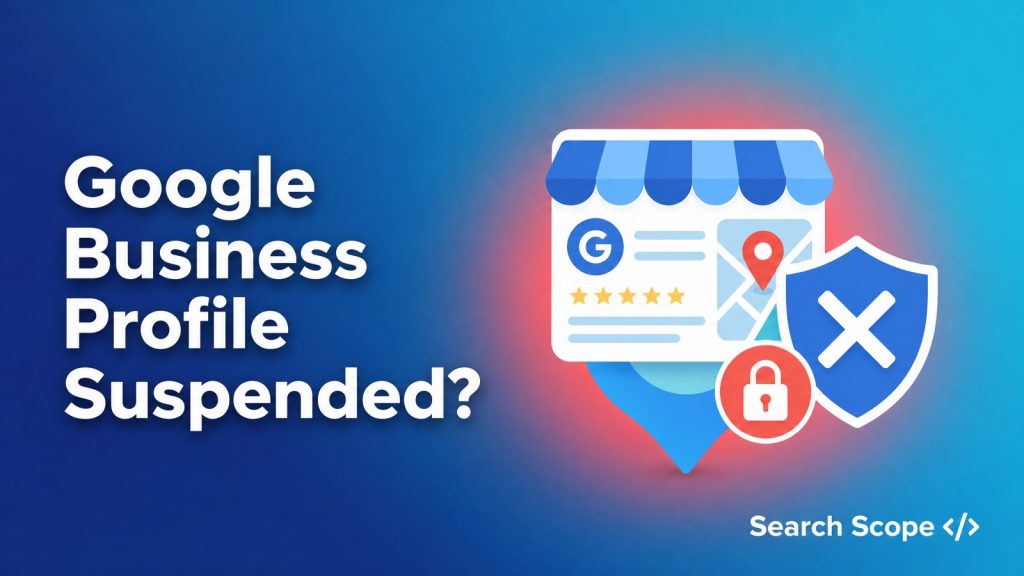
A practical 2026–2027 guide to Google Business Profile suspension reasons, evidence, appeals and prevention for Kenyan businesses.
Read Article → Website Design
A complete beginner guide to domain names, web hosting, DNS, SSL and business email for Kenyan companies.
Read Article →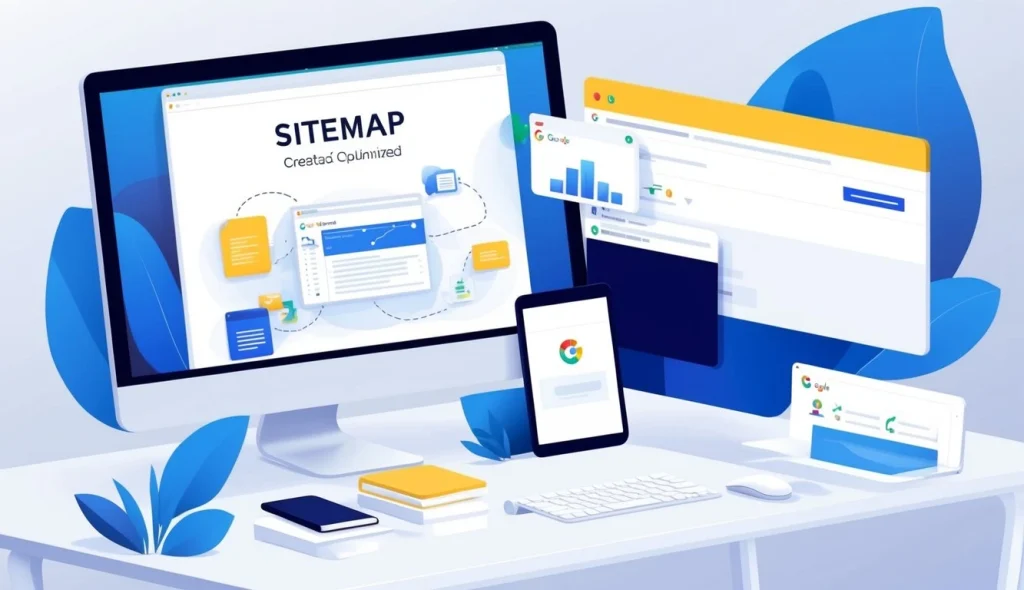 SEO
A complete Search Console and sitemap guide for Kenyan businesses whose new website is not appearing on Google.
Read Article →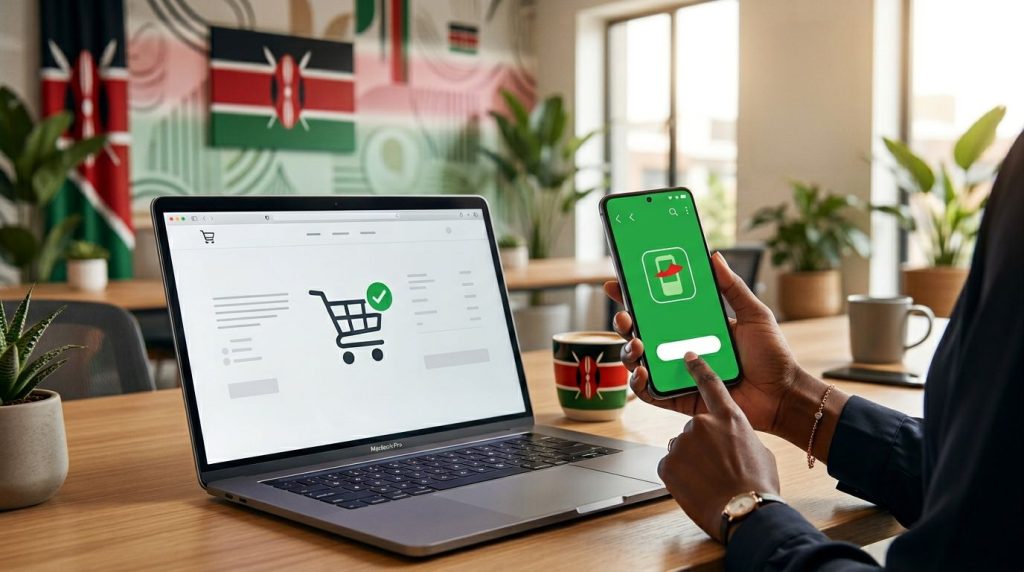 Ecommerce
A complete ecommerce guide to M-Pesa payment integration, STK Push, callbacks, security and WooCommerce.
Read Article → Website Maintenance
A practical WordPress security guide for Kenyan businesses covering updates, backups, malware and recovery.
Read Article → Local SEO
A complete 2026–2027 guide for businesses that moved their Google Business Profile to Nairobi and need to rebuild local relevance and visibility.
Read Article →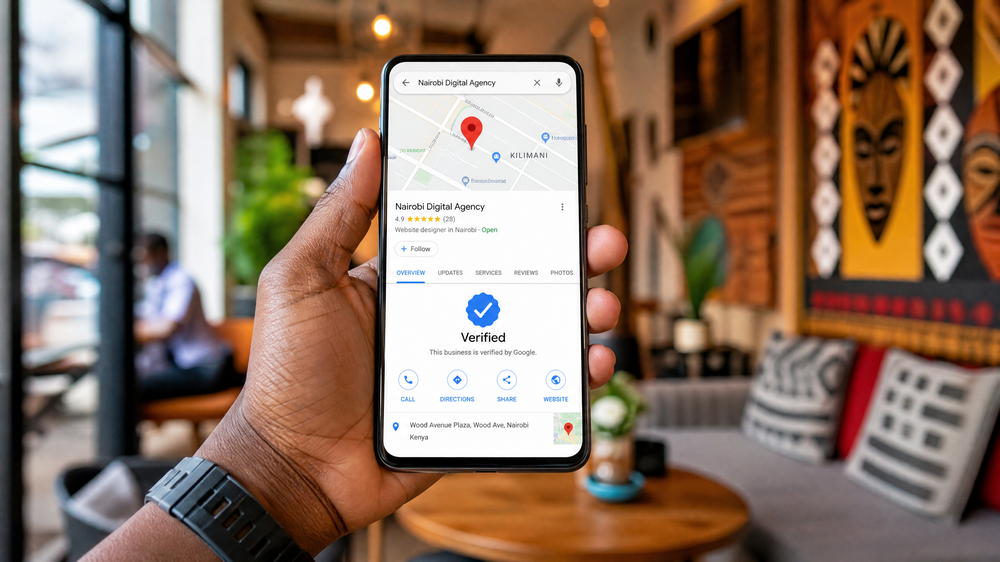 Local SEO
A practical local SEO checklist for Nairobi businesses operating from several real branches or serving multiple towns without creating duplicate pages.
Read Article → Website Maintenance
A complete website revamp checklist for Nairobi businesses planning to improve performance, search visibility, mobile usability and lead generation.
Read Article →Discover why businesses across Nairobi and Kenya trust Afix Smart Web for professional website design, SEO, Digital Marketing, and long-term digital growth. Here's what our clients have to say about working with our team.


 Trustindex verifies that the original source of the review is Google.
 Trustindex verifies that the original source of the review is Google.
 Trustindex verifies that the original source of the review is Google.
 Trustindex verifies that the original source of the review is Google.
 Trustindex verifies that the original source of the review is Google.
 Trustindex verifies that the original source of the review is Google.
 Trustindex verifies that the original source of the review is Google.

 Trustindex verifies that the original source of the review is Google.
Businesses across Nairobi, Thika, and Kenya trust Afix Smart Web for professional Web Design, SEO, and Digital Marketing solutions that generate more leads, increase sales, and drive long-term business growth.
Everything we do is designed to help your business generate more enquiries, increase sales, and achieve sustainable growth online.
We believe in honest communication, clear pricing, and keeping you informed throughout every stage of your project.
We create fast, mobile-friendly, and conversion-focused websites that reflect your brand and provide an exceptional user experience.
Our relationship does not end after launch. We provide continuous support, maintenance, and digital marketing to keep your business growing.
Every website is built with search visibility, speed, structure, and technical SEO in mind from the beginning.
We develop solutions around your industry, target audience, goals, and budget instead of relying on one-size-fits-all packages.
Whether you're launching a new business, redesigning an existing website, or looking to improve your online visibility, our team is ready to help you build a professional digital presence that drives measurable business growth across Nairobi and Kenya.
Contact UsPractical answers to common questions Kenyan businesses ask about website prices, Google rankings, online advertising, e-commerce, AI search visibility and custom software.
Website design costs in Kenya depend on the number of pages, complexity of the design, content requirements and additional functionality. A basic informational website normally costs less than an e-commerce store or custom business platform. At Afix Smart Web, business website projects start from KSh 15,999, while larger projects are quoted according to their requirements. When comparing quotations, check whether the price covers domain registration, hosting, SSL security, responsive design, contact forms, search engine optimisation, content upload and technical support. The cheapest quotation is not always the most cost-effective if essential features are excluded. Request a clear breakdown of deliverables, ownership and recurring expenses before committing.
A professional business website should explain what the business offers, who its services are for and how customers can get in touch. Important features include a mobile-friendly design, fast page loading, secure HTTPS, clear navigation, detailed service pages, visible contact information, accessible content and strong calls to action. It should also include relevant page titles, descriptive headings, internal links and useful information that answers customer questions. Kenyan businesses may benefit from WhatsApp enquiries, M-Pesa payment options where appropriate and locally relevant testimonials or case studies. The best website is not necessarily the one with the most features; it is the one that helps visitors understand the business and complete their intended actions easily.
A standard business website often takes approximately one to three weeks, although the actual timeline depends on project scope and how quickly content and approvals are provided. A small website with a few service pages can usually be completed faster than an e-commerce store with hundreds of products or a platform requiring custom integrations. The development process typically includes planning, design, content preparation, development, testing and launch. Businesses can reduce delays by preparing their logo, services, contact information, images and preferred features before work begins. A written project schedule should identify milestones, revision periods and responsibilities rather than relying on a vague completion promise.
WordPress is suitable for many business websites, blogs, portfolios and online stores because it offers a content management system, flexible themes and a wide selection of plugins. Custom development may be more appropriate when a business requires specialised workflows, unusual integrations or complex application features. Neither approach is automatically faster, more secure or better for SEO. Performance depends on development quality, hosting, technical architecture and maintenance. Before choosing, consider your budget, editing requirements, expected traffic, integrations, security needs and long-term support. A well-developed WordPress website can be highly effective, while custom software is valuable when standard website tools cannot meet the business requirements efficiently.
Yes, an existing website can be redesigned while protecting much of its search visibility, provided SEO migration is carefully planned. Start by identifying pages that currently receive organic clicks, impressions, backlinks and enquiries. Preserve important URLs where possible, retain valuable content and use permanent 301 redirects when page addresses must change. Review canonical tags, metadata, internal links, structured data, mobile usability and XML sitemaps before launching the new design. After publication, monitor Google Search Console for indexing issues, broken links and changes in organic traffic. A redesign can improve user experience and technical performance, but no developer can guarantee that search rankings will remain completely unchanged during migration.
SEO service pricing in Kenya depends on website size, industry competition, technical problems, target keywords and the amount of content optimisation required. A small local business may need service-page improvements and Google Business Profile optimisation, while an e-commerce store may require product SEO, category restructuring and technical fixes across hundreds of URLs. Afix Smart Web offers one-off SEO packages starting from KSh 15,000, with defined deliverables and optional future upgrades. When comparing providers, ask how many pages will be optimised, which issues will be fixed, what keyword research is included and how performance will be measured. Avoid providers guaranteeing first-page rankings, because search engines control their own results.
SEO improvements can sometimes become visible within a few weeks, particularly when correcting technical indexing problems or improving pages that already rank. However, meaningful organic traffic growth often requires several months. The timeline depends on competition, domain history, existing content, website quality and the search terms being targeted. A new website competing for a broad phrase such as web design in Nairobi may require more work than an established business targeting a specific service in a smaller location. Progress should be evaluated through Google Search Console impressions, organic clicks, relevant keyword visibility and enquiries. SEO results are not linear, and rankings can change as competitors and search engines evolve.
A website may be missing from Google because its pages have not been indexed, crawling is blocked, a noindex directive is active, canonical tags point elsewhere or the server is returning errors. Another possibility is that Google has indexed the website but considers other pages more relevant to the searched keyword. Start with Google Search Console and inspect the affected URL. Check that the page is accessible, internally linked, included in an appropriate XML sitemap and provides original, useful content. Correct technical issues before requesting indexing. Publishing a page does not guarantee immediate indexing or high rankings, so it is important to distinguish technical visibility problems from competitive ranking problems.
Local SEO improves a business's visibility for searches connected to a geographic area, including Google Maps and local search results. Begin with an eligible Google Business Profile that accurately displays the business name, primary category, contact details, opening hours and genuine address or service area. Add useful photos, maintain consistent information on reputable directories and encourage authentic customer reviews. Your website should describe the services offered and the locations genuinely served, supported by relevant local content. Google Maps visibility depends on relevance, distance and prominence, so the same business may appear in different positions for users searching from different locations. No provider can guarantee a permanent top-three Maps ranking.
On-page SEO focuses on the information and elements within a webpage, including headings, titles, content quality, images and internal links. Technical SEO focuses on whether search engines can efficiently crawl, render and index the website, including redirects, canonical tags, sitemaps, structured data, performance and mobile usability. Off-page SEO concerns external signals such as relevant backlinks, editorial mentions and brand reputation. All three work together. Strong content may struggle if a page is blocked from indexing, while a technically perfect website may still rank poorly if it fails to answer searchers' questions. A useful SEO strategy identifies the weakest areas and prioritises improvements according to business impact.
SEO and Google Ads serve different purposes. Google Ads can place a business in sponsored search results while campaigns are active, making it useful for testing offers or reaching people searching for services immediately. SEO focuses on improving organic visibility over time without paying for each organic click. Businesses with limited budgets should first consider customer demand, competition, conversion rates and how quickly they need enquiries. A combination can be effective when properly managed: advertising generates measurable short-term opportunities while SEO develops longer-term search visibility. Neither channel guarantees profitable sales, so results should be evaluated using qualified enquiries, acquisition costs and actual revenue rather than clicks alone.
A suitable Google Ads budget depends on the industry, geographic targeting, competition, average cost per click and value of a new customer. There is no single daily budget that works for every Kenyan business. Before launching, estimate how many relevant clicks the available budget can buy and what percentage of those visitors may become qualified leads. Focus on high-intent keywords, relevant locations, appropriate negative keywords and a landing page that clearly explains the offer. Track phone calls, form submissions or purchases rather than treating impressions as proof of success. Start with a manageable test budget and adjust only after collecting enough meaningful conversion data.
Google Ads often works well when customers are actively searching for a product or service, such as website designers in Nairobi or emergency plumbing services. Facebook and Instagram Ads can help businesses reach relevant audiences before they search, particularly when the product is visually appealing or benefits from demonstration. The better platform depends on buying intent, customer behaviour, competition, creative quality and campaign objectives. Compare both using cost per qualified lead, lead quality, conversion rate and sales value. Cheap messages or form submissions are not necessarily valuable if they do not become customers. Many businesses benefit from testing both platforms with clear tracking and realistic budgets.
Advertising clicks do not automatically translate into enquiries or sales. Common problems include targeting people with low purchase intent, using broad keywords, showing unclear offers, sending visitors to slow pages or failing to provide an easy contact method. Other issues include weak pricing information, limited trust signals and delayed follow-up after enquiries arrive. Review search terms, audience targeting, landing-page performance and conversion tracking before increasing spending. Check whether users can easily understand the offer on a mobile phone and whether contact forms work correctly. The goal is to attract suitable potential customers and help them take the next step, not simply to maximise traffic.
The best strategy depends on what the business sells, where customers are located, the buying process and the available budget. A local service provider may benefit from a strong website, Google Business Profile and local SEO. An online store may prioritise product pages, shopping campaigns, social advertising and conversion tracking. A business selling high-value professional services may focus on informative content, search advertising and enquiry follow-up. Start by defining the target customer, the desired action and the cost of acquiring a customer. Choose a few measurable channels rather than spreading a limited budget across every platform. Review results regularly and improve what produces genuine business opportunities.
The cost of developing an e-commerce website in Kenya depends on the number of products, product variations, payment options, delivery requirements and integrations. A small store with a straightforward catalogue is usually less expensive than a large platform with advanced inventory management, multiple warehouses, automated shipping and custom customer accounts. Development quotations should explain product upload limits, checkout features, M-Pesa integration, hosting, security, SEO foundations and training. Also consider recurring costs such as domain renewal, hosting, payment processing and maintenance. Before choosing a package, define the products you will sell, how orders will be fulfilled and what customers need to complete a purchase comfortably.
Yes. An online store can accept M-Pesa payments through supported payment gateways or suitable direct integrations. The available method depends on the website platform, the payment provider and the business's merchant account requirements. A typical checkout allows customers to choose M-Pesa, initiate payment and receive an order confirmation after successful transaction verification. Proper integration should handle payment status, failed transactions, duplicate notifications and secure communication with the provider. Businesses should also review transaction charges, settlement arrangements and refund procedures. Test the complete checkout process on mobile devices before launching so customers can place orders without unnecessary confusion.
WooCommerce is built on WordPress and offers substantial control over website content, design, extensions and hosting arrangements. Shopify provides a hosted commerce platform with integrated store management and a subscription-based model. WooCommerce may suit businesses that want extensive customisation or already use WordPress, while Shopify may suit merchants who prefer a managed platform. Compare payment gateway availability, M-Pesa compatibility, recurring fees, product variations, shipping requirements, SEO flexibility and the cost of additional applications. Neither platform is automatically best for every Kenyan business. Choose the option that supports your actual selling process and can be maintained reliably as the store grows.
Growing an online store requires both relevant traffic and a shopping experience that encourages purchases. Start with descriptive product titles, original product information, clear images, competitive delivery details and a straightforward checkout. Improve category-page SEO so customers can find products through search engines. Depending on the business, Google Ads, social media advertising and email marketing may also help reach potential buyers. Display trustworthy contact details, explain return policies and offer payment methods customers recognise. Measure product views, add-to-cart activity, checkout abandonment and completed orders. If visitors arrive but rarely buy, investigate product pricing, delivery costs, website speed and customer trust before increasing advertising expenditure.
Yes. Many businesses operate online stores without a traditional walk-in retail location. A business can display products on a website, accept orders and arrange delivery or collection through an appropriate fulfilment process. However, customers still need reliable contact information, accurate product descriptions, clear prices, delivery terms and transparent return policies. Depending on the products sold, the business may also need to comply with relevant Kenyan registration, tax, consumer protection and sector-specific requirements. Inventory management is important even when products are stored at home, in a warehouse or with a supplier. A professional online presence should make the purchasing process understandable and trustworthy.
SEO stands for Search Engine Optimization and focuses on helping webpages become discoverable and relevant in search engines such as Google and Bing. GEO stands for Generative Engine Optimization and focuses on making information clear, credible and useful for AI-powered search and answer systems. The approaches overlap because both benefit from accessible pages, accurate information, strong topical coverage and trustworthy sources. GEO places additional attention on how information is structured, explained and potentially referenced in generated answers. It does not replace SEO, and there is no guaranteed method for securing AI citations. Businesses should build a strong SEO foundation and then improve content clarity, entity consistency and authoritative supporting information.
Begin by publishing accurate, accessible information about your business, products, services and areas served. Create useful pages that answer questions customers genuinely ask, using descriptive headings, clear explanations, original examples and consistent contact details. Ensure important pages can be crawled and are not accidentally blocked by technical settings. Appropriate structured data may help systems interpret the organisation and its services, while credible third-party mentions can support brand recognition. AI systems select and present information differently, and visibility can vary by query and user context. No business or marketing agency can guarantee inclusion in ChatGPT responses, Gemini answers or Google AI Overviews.
Schema markup is structured data that describes information on a webpage using a recognised vocabulary such as Schema.org. It can identify organisations, services, webpages, products and other entities, helping compatible search systems interpret relationships more clearly. Some supported schema types may qualify pages for specific search features, but structured data does not guarantee higher rankings, rich results or AI citations. The information must be accurate, relevant and consistent with the visible page. Avoid invented reviews, misleading prices and unverified business addresses. Test JSON-LD syntax and check whether SEO plugins already publish overlapping entities. Useful content, crawlability and business credibility remain essential regardless of schema implementation.
Useful content addresses a specific searcher's problem with reliable information rather than repeating keywords. Strong examples include service explanations, pricing factors, practical comparisons, implementation steps, common mistakes, industry-specific guidance and frequently asked questions. Include original experience and verifiable examples where available. Use descriptive page titles, clear headings, concise answers followed by supporting detail and relevant internal links. For businesses serving Kenya, provide accurate local context instead of copying the same text across many location pages. Keep information updated and explain important limitations. Content should help a visitor make an informed decision even if they never contact the business immediately.
Yes. Ranking in traditional search results does not guarantee that a website will be cited or recommended by an AI-powered answer system. AI systems may retrieve, combine and present information differently depending on the question, platform and available sources. A page might rank well for a keyword but not provide the specific explanation needed for a generated answer. Improve clarity, factual accuracy, topical coverage and trustworthy supporting information while maintaining sound technical SEO. Monitor measurable referrals and brand mentions where possible, but recognise that AI visibility reporting is incomplete and may change over time. SEO and GEO should support each other rather than being treated as competing strategies.
A website primarily presents information, products or services to visitors, while a web application enables users to perform more complex tasks. Examples of application functionality include account registration, appointment booking, inventory management, customer dashboards, online transactions and automated business workflows. Many modern websites combine both types of functionality. An e-commerce store, for example, includes informational pages as well as interactive checkout and order management. The correct solution depends on what users need to accomplish, the complexity of the data involved and the integrations required. Businesses should define their workflows and user roles before choosing a development approach.
Custom software development costs vary significantly because every system has different requirements. A simple internal dashboard requires less work than a multi-user platform with payments, automated notifications, reporting, permissions and third-party integrations. Development costs can include requirements analysis, interface design, programming, database architecture, security, testing, hosting and ongoing support. Before requesting a quotation, prepare a list of the problems the software must solve, the users who will access it and the essential features needed for the first release. Ask for a documented scope, delivery milestones, ownership arrangements and maintenance terms. An accurate estimate requires understanding the project rather than applying one standard price to every application.
A custom WordPress plugin may be appropriate when existing plugins cannot reliably support a required business workflow. Examples include specialised booking rules, custom WooCommerce checkout features, customer portals, reporting dashboards and connections to external business systems. Before commissioning development, evaluate whether a reputable existing plugin can meet the requirements at a lower cost. A custom solution should follow WordPress development standards, validate user input, check permissions, protect sensitive information and remain compatible with relevant WordPress and PHP versions. Testing and future updates are essential because a plugin may need adjustments as the website and its dependencies change.
WordPress websites require regular maintenance to remain secure, functional and reliable. Important activities include reviewing plugin and theme updates, maintaining recoverable backups, checking security alerts, monitoring uptime and testing contact forms. Major updates should be backed up and tested before deployment, especially on e-commerce or membership websites. Periodic reviews should also cover page speed, broken links, database health, expired certificates and outdated content. The frequency depends on website complexity and business risk. A busy online store may require frequent monitoring, while a smaller informational website may have a lighter maintenance schedule. Ignoring maintenance can increase the likelihood of compatibility problems, security incidents and lost enquiries.
Before hiring a web design or SEO company, review relevant completed projects, clearly defined services, realistic timelines and transparent pricing. Confirm who will own the domain name, hosting account, website files, content and administrator access. Ask what training and technical support are included after launch. For SEO, request an explanation of keyword research, technical improvements, content optimisation and how results will be reported. Be cautious of guaranteed Google rankings, unclear deliverables and claims that cannot be independently verified. A reliable provider should explain the project process, communicate limitations and provide a written agreement that protects both the client and the service provider.
Explore practical website design, SEO, online store and software solutions for businesses across Kenya.
Afix Smart Web is a Nairobi-based digital solutions company providing professional website design, search engine optimization (SEO), GEO and AI search visibility, digital marketing, software development and branding services to businesses across Kenya. Explore our location-specific services below.
Website design, SEO, GEO and digital marketing services in Nairobi.
Professional web development, SEO and online marketing for Thika businesses.
Website design, search visibility and digital marketing for coastal businesses.
Web design, SEO, GEO and digital growth solutions for Nakuru businesses.
Select a region to explore additional cities and commercial towns across Kenya.
We work with businesses across Kenya through remote consultations, online project coordination and ongoing support.