
Website Design Company in Nairobi Kenya – Complete Guide for Businesses
If someone hears about your business today, chances are the first thing they will do is search for it online. Before making a phone call, sending an email or walking into your office, they want to see whether your business has a professional online presence. In Nairobi, where competition continues to grow across almost every industry, a website has become one of the most valuable business assets you can own.
Unfortunately, many businesses still treat a website as something they only need because everyone else has one. They build a website once, upload a few pages and expect customers to appear automatically. Months later, the website receives very few visitors, generates almost no enquiries and slowly becomes outdated. The problem is rarely the website itself. More often, it is because it was never planned to achieve business goals.
A professional website should do much more than display information. It should build trust, answer customer questions, showcase your products or services, generate enquiries and support every other marketing effort you invest in. Whether someone finds your business through Google Search, social media, Google Ads or a referral, your website becomes the place where they decide whether to trust you.
This is why choosing the right website design company in Nairobi is an important decision. A professional agency does not simply create attractive pages. It develops a digital platform that represents your brand, communicates your expertise and helps your business grow over time.
Why Businesses in Nairobi Are Investing More in Professional Websites
Nairobi has become one of Africa’s fastest-growing business hubs. New startups, SMEs, NGOs, construction companies, schools, healthcare providers, hotels, law firms and ecommerce businesses are launched every year. With more businesses competing for the same customers, standing out online has never been more important.
Consumers have also changed the way they buy. Instead of visiting several businesses physically, most people research online first. They compare services, read reviews, browse portfolios and evaluate credibility before making contact. If your business lacks a professional website, many potential customers may never contact you because they simply move to a competitor who appears more established online.
This behaviour is not limited to large companies. Small businesses across Nairobi and Kenya are increasingly using professional websites to compete with larger organisations. A well-designed website allows a small company to present itself professionally, showcase expertise and compete on quality rather than size.
What Makes a Professional Website Different?
Anyone can create a basic website using free templates. However, a business website designed to generate enquiries requires much more planning and expertise. It should combine visual design, user experience, technical performance and search engine optimisation into one complete solution.
Professional websites are built around the customer journey. Every page is designed to answer questions, reduce uncertainty and encourage visitors to take the next step. Instead of overwhelming users with unnecessary information, a good website guides them naturally towards making an enquiry, requesting a quotation or purchasing a product.
| Basic Website | Professional Business Website |
|---|---|
| Generic template | Custom strategy based on business goals |
| Few pages | Complete information architecture |
| Slow loading | Speed optimised |
| No SEO | Built with SEO best practices |
| Little maintenance | Ongoing updates and support |
| No conversion strategy | Designed to generate enquiries |
How Your Website Influences Customer Trust
Trust is built within seconds. When visitors land on your website, they immediately judge whether your business appears professional, reliable and experienced. Elements such as clean design, fast loading pages, clear navigation, genuine testimonials, professional photography and helpful content all contribute to that first impression.
A poorly designed website can have the opposite effect. Outdated layouts, broken pages, missing contact information and slow loading speeds create doubt. Even if your products or services are excellent, visitors may leave before learning more simply because the website does not inspire confidence.
This is why investing in professional website design should never be viewed as an expense. It is an investment in credibility, customer experience and long-term business growth.
Signs It Is Time to Redesign Your Website
- Your website is more than four years old.
- It does not display properly on mobile phones.
- Pages load slowly.
- You are receiving very few enquiries.
- Your competitors have more professional websites.
- Your website does not appear on Google for important searches.
- Updating content has become difficult.
- The design no longer reflects your current brand.
Many businesses continue using outdated websites simply because they still function. However, functionality alone is no longer enough. Your website should actively contribute to your marketing, sales and customer service efforts.
Choosing the Right Website Design Company
Not every web design agency approaches projects the same way. Some focus only on aesthetics, while others concentrate solely on technical development. The best agencies balance design, functionality, performance and search engine optimisation to create websites that support real business objectives.
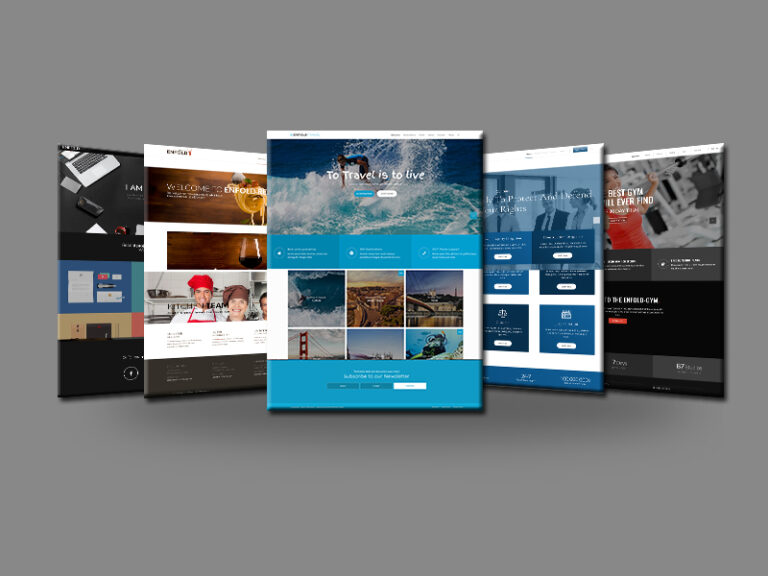
Before choosing a website design company, review its portfolio carefully. Look beyond attractive visuals and consider whether the websites appear fast, easy to navigate and designed for conversions. Read client testimonials, ask about ongoing support and ensure the agency understands your industry and target audience.
The Website Design Process That Delivers Results
One of the biggest misconceptions many business owners have is that website design begins with choosing colours or selecting a layout. In reality, a successful website starts with understanding the business itself. Every company has different objectives, customers and challenges. A website designed for a law firm should not follow the same strategy as one created for a hotel, school or online store.
The first step is understanding the purpose of the website. Is it intended to generate enquiries, sell products online, educate visitors, showcase previous work or build brand awareness? Once those objectives are clear, every page is planned to support them.
Information architecture is equally important. Visitors should find what they are looking for without clicking through multiple unnecessary pages. A clear navigation structure improves user experience while helping search engines understand the relationship between pages.
After planning comes design. Rather than decorating pages with unnecessary graphics, professional designers focus on readability, usability and conversion. Every heading, button, image and section should encourage visitors to continue exploring the website.
Development follows the approved design. During this stage, attention is given to responsive layouts, clean code, website security, loading speed and search engine optimisation. A professionally developed website should work perfectly across desktops, tablets and smartphones without sacrificing performance.
Why Mobile-Friendly Websites Matter More Than Ever
Most visitors accessing business websites in Kenya now do so using mobile phones. Whether they are searching while commuting, comparing service providers during lunch breaks or looking for contact information after work, mobile devices dominate online searches. A website that performs poorly on smartphones immediately loses potential customers.
Responsive website design automatically adjusts layouts to fit different screen sizes. Text remains readable, buttons are easy to tap and navigation stays simple regardless of the device being used. This improves user experience and also supports better visibility on Google because mobile usability is one of the factors search engines consider.
A business owner should never have to zoom in just to read content or struggle to find the contact button. Every important action should be simple, fast and accessible from any device.
Features Every Business Website Should Include
| Feature | Why It Matters |
|---|---|
| Professional Homepage | Creates the first impression and communicates your value clearly. |
| Service Pages | Explains exactly what your business offers. |
| About Page | Builds credibility and introduces your company. |
| Portfolio | Demonstrates previous work and practical experience. |
| Testimonials | Provides social proof and builds confidence. |
| Contact Page | Makes it easy for customers to reach you. |
| Blog | Supports SEO while educating potential customers. |
| Frequently Asked Questions | Answers common concerns before customers ask. |
How Search Engine Optimisation Complements Website Design
A beautiful website alone does not guarantee visitors. Search engine optimisation ensures that your website has an opportunity to appear when potential customers search for services online. This is why SEO should never be treated as an afterthought after the website has already been completed.
Professional website development considers search engine optimisation from the beginning. Clean website architecture, descriptive URLs, fast loading speeds, proper heading structures, internal linking and high-quality content all contribute to stronger visibility over time.
Businesses looking to improve their online visibility often combine professional website development with SEO Services in Kenya to help attract consistent organic traffic from Google. Rather than relying entirely on paid advertising, SEO creates long-term opportunities for businesses to reach customers actively searching for their services.
Website Speed Is More Important Than Most Businesses Realise
Few things frustrate visitors more than a slow website. Research consistently shows that people abandon pages that take too long to load. Every additional second increases the likelihood of losing potential customers before they even see your products or services.
Website speed is influenced by many factors including image optimisation, quality hosting, efficient coding practices, caching and server performance. Professional developers optimise these technical aspects during development to ensure visitors enjoy a fast browsing experience.
Fast websites also tend to perform better in search results because page experience forms part of Google’s overall ranking considerations.
Why Website Maintenance Should Never Be Ignored
Launching a website is only the beginning. As technology evolves, websites require regular updates to remain secure, functional and compatible with modern browsers and devices. Ignoring maintenance can eventually lead to security vulnerabilities, broken features and poor performance.
Regular maintenance includes updating WordPress, themes, plugins, monitoring website security, creating backups, fixing technical issues and improving overall performance. Businesses that invest in ongoing maintenance avoid costly downtime while protecting customer information.
If your website is already online but needs updates, improvements or security monitoring, professional Website Maintenance Services help keep it performing at its best without interrupting your business operations.
Integrating Digital Marketing With Your Website
Your website should never work alone. It becomes significantly more powerful when integrated with digital marketing channels. Google Ads, Facebook Ads, email marketing and social media campaigns all perform better when they direct visitors to professionally designed landing pages.
Businesses looking to maximise their online presence often combine website development with Digital Marketing Services to create a complete online growth strategy. Instead of depending on a single source of traffic, they attract customers through multiple channels while using their website as the central conversion platform.
How Much Does Website Design Cost in Nairobi?
One of the first questions most business owners ask is, “How much will a professional website cost?” The answer depends on what you want your website to achieve rather than simply how many pages it contains.
A simple informational website designed to establish your online presence will naturally cost less than an ecommerce website capable of processing online orders, managing inventory and integrating secure payment systems. Likewise, a corporate website with custom functionality requires more planning and development than a standard business website.
| Website Type | Suitable For | Main Features |
|---|---|---|
| Business Website | SMEs and Professionals | Company profile, services, contact forms, SEO-ready pages. |
| Ecommerce Website | Retail Businesses | Online shopping, payment integration, inventory management. |
| Corporate Website | Large Organisations | Departments, careers, investor information and custom functionality. |
| NGO Website | Non-Profit Organisations | Projects, donations, volunteers and impact reporting. |
| School Website | Educational Institutions | Admissions, academic information, announcements and downloads. |
Common Website Design Mistakes That Cost Businesses Customers
- Using outdated website designs that no longer reflect the business.
- Publishing incomplete service information.
- Having slow loading pages.
- Using poor-quality images.
- Missing contact details on important pages.
- No clear call-to-action encouraging visitors to make enquiries.
- Ignoring search engine optimisation.
- Failing to update the website regularly.
A Real Example from the Kenyan Market
A family-owned construction company had relied on referrals for several years. While referrals generated occasional projects, enquiries became inconsistent whenever previous clients stopped recommending the business. The company decided to invest in a professionally designed website with properly organised service pages, enquiry forms and search engine optimisation.
Within a few months, the website became an important source of enquiries from businesses searching online for construction services. Prospective clients could view completed projects, understand the company’s capabilities and submit enquiries directly through the website. Although referrals continued to play an important role, the business was no longer dependent on them alone.
Website Design Buying Checklist
- Review previous projects and portfolio.
- Confirm the website will be mobile responsive.
- Ensure SEO best practices are included.
- Ask whether ongoing maintenance is available.
- Confirm ownership of the website and domain.
- Discuss website security and backup procedures.
- Understand project timelines and revision policies.
- Request clear communication throughout the project.
Why Businesses Continue Choosing Afix Smart Web
Every business has unique objectives, and no two websites should be identical. Afix Smart Web focuses on understanding each client’s goals before designing a solution that reflects their brand and supports long-term growth. Rather than relying on generic templates, every project is developed with usability, performance and future scalability in mind.
Businesses working with Afix Smart Web also benefit from complementary services such as Website Design & Development, search engine optimisation, digital marketing, hosting, business email setup and ongoing website maintenance. Having these services under one provider simplifies website management while ensuring consistent quality.
Frequently Asked Questions
1. Why should I invest in a professional website instead of using a free website builder?
Free website builders are suitable for personal projects or temporary websites, but growing businesses require far more than a basic online presence. A professionally developed website provides better performance, stronger security, improved search engine visibility, greater flexibility and a design tailored to your business goals.
2. How long does it take to design a professional website?
The timeline depends on the size and complexity of the project. A standard business website can often be completed within a few weeks, while ecommerce websites or custom web applications require additional planning, development and testing.
3. Will my website appear on Google after it is launched?
Launching a website does not automatically guarantee top rankings on Google. However, building the website using SEO best practices gives search engines a strong foundation to crawl and index your pages.
4. Can I update my website myself?
Yes. Modern content management systems such as WordPress allow business owners to update text, images, blog articles and other content without needing advanced technical skills.
5. What information should I prepare before starting a website project?
Prepare your company profile, logo, contact details, service descriptions, high-quality images, social media links and any branding guidelines you already have.
6. Do I also need SEO after building my website?
Yes. A professionally designed website provides the foundation, while SEO helps potential customers discover your business through search engines.
7. Can my website grow as my business grows?
Absolutely. A professionally developed website should be scalable. New pages, additional services, ecommerce functionality and booking systems can be added as your business expands.
8. Why is website speed important?
Visitors expect websites to load quickly. Slow pages often result in higher bounce rates and fewer enquiries.
9. Should I redesign my existing website or build a new one?
That depends on the current website. If the existing structure is outdated, difficult to maintain or technically limited, rebuilding may provide better long-term value.
10. How do I choose the best website design company in Nairobi?
Look beyond price. Review previous work, evaluate communication, ask about ongoing support, check whether SEO is included and ensure the agency understands your business objectives.
Final Thoughts
A professional website has become one of the most valuable investments a business can make. It is often the first interaction potential customers have with your company, and that first impression can determine whether they choose your business or continue searching elsewhere.
Whether you operate a startup, SME, NGO, school, construction company, healthcare facility, hotel, law firm or ecommerce business, your website should do more than simply exist online. It should communicate your expertise, answer customer questions, generate enquiries and support your long-term business growth.
Ready to Grow Your Business Online?
If you are looking for a reliable Website Design Company in Nairobi Kenya, Afix Smart Web is ready to help. We build modern, responsive and SEO-ready websites designed to attract visitors, generate enquiries and support business growth.
Afix Smart Web
📍 Serving Nairobi, Thika and businesses across Kenya
📞 0714 734 427
🌐 https://afixsmartweb.co.ke/
📧 info@afixsmartweb.co.ke